
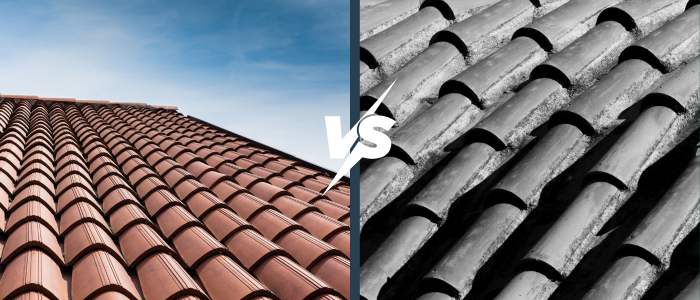
Choosing the right roofing material is one of the most important decisions a homeowner can make. Your roof is not just a protective layer—it affects your home’s durability, energy efficiency, maintenance needs, and long-term value. Among the many roofing options available today, clay and concrete roof tiles are two of the most popular choices.
Although they may look similar from a distance, clay and concrete tiles differ significantly in how they are made, how long they last, and how they perform over time. Understanding these differences is essential before making a final decision.
What Are Clay Roof Tiles?
Clay roof tiles are made from natural clay that is molded and fired in a kiln at extremely high temperatures. This process turns the clay into a dense, ceramic-like material that is highly durable and resistant to environmental damage.
One of the biggest advantages of clay tiles is their longevity. In real-world conditions, clay roofs can last 50 to 100 years or more when properly installed and maintained.
Because the color of clay tiles comes from the material itself rather than a surface coating, they do not fade easily over time. This gives them a consistent and natural appearance even after decades of exposure to sunlight.
Clay tiles are also known for their excellent performance in hot climates. Their natural composition reflects sunlight and reduces heat transfer into the home, helping maintain a cooler indoor temperature.
What Are Concrete Roof Tiles?
Concrete roof tiles are manufactured using a mixture of cement, sand, and water. These materials are molded into shape and cured, rather than fired like clay.
Concrete tiles are widely used because they are more affordable and offer greater design flexibility. They can be produced in a wide range of colors, textures, and shapes, allowing homeowners to match different architectural styles.
In terms of lifespan, concrete tiles typically last around 40 to 50 years, depending on quality and maintenance.
While they are strong and durable, concrete tiles are more porous than clay, which means they can absorb moisture over time. This can lead to issues such as moss growth, staining, or gradual surface wear if not properly maintained.
Key Differences Between Clay and Concrete Roof Tiles
The main difference between clay and concrete tiles lies in their composition and long-term performance. Clay tiles are natural and non-porous, which makes them highly resistant to moisture and UV damage. Concrete tiles, on the other hand, are engineered materials that offer flexibility and affordability but require more maintenance over time.
Lifespan is one of the most important factors. Clay tiles can last twice as long as concrete tiles in many cases. This makes clay a better option for homeowners who want a long-term roofing solution.
Cost is another major difference. Clay tiles are more expensive upfront, typically costing between $3 and $7 per square foot, while concrete tiles cost around $2 to $4 per square foot.
However, the lower initial cost of concrete does not always mean lower overall cost, as maintenance and replacement may be required sooner.
Durability and Weather Resistance
Both clay and concrete tiles are durable roofing materials, but they perform differently under environmental stress.
Clay tiles are highly resistant to heat, sunlight, and fire. They perform exceptionally well in hot climates and are less likely to degrade over time. However, they can crack if exposed to extreme cold or if handled roughly.
Concrete tiles are strong and can withstand harsh weather conditions, including wind and heavy rain. They are often rated to handle high wind speeds and are also fire-resistant.
However, their higher water absorption makes them more vulnerable to moisture-related issues if not properly maintained.
Weight and Structural Considerations
One of the most important factors when choosing between clay and concrete tiles is weight.
Both materials are significantly heavier than traditional roofing materials like asphalt shingles. Concrete tiles are often slightly heavier than clay, which means they may require additional structural support.
Before installation, it is essential to ensure that the roof structure can handle the load. In some cases, reinforcement may be necessary, which can increase the overall cost of the project.
Ignoring this step can lead to long-term structural problems.
Maintenance Requirements
Maintenance is another area where clay and concrete tiles differ.
Clay tiles require minimal maintenance. Once installed correctly, they typically only need occasional inspection and replacement of any damaged tiles.
Concrete tiles require more regular care. Due to their porous nature, they may need cleaning to remove moss or algae, as well as sealing to prevent moisture absorption.
Over time, this difference in maintenance can significantly impact the overall cost and effort required to keep the roof in good condition.
Appearance and Design Options
Appearance plays a major role in roofing decisions.
Clay tiles offer a natural, timeless look that is often associated with traditional and Mediterranean-style homes. Their color remains stable over time, and they develop a natural aging effect that enhances their appearance.
Concrete tiles provide greater design flexibility. They are available in a wide range of colors and styles and can mimic other materials such as slate or wood.
However, their color may fade over time because it is applied as a surface coating.
Energy Efficiency
Both clay and concrete tiles are energy-efficient roofing materials. They provide insulation by creating an air gap between the tiles and the roof deck, which helps regulate temperature.
Clay tiles have a slight advantage because they reflect heat more effectively and have lower thermal conductivity. This makes them particularly suitable for hot climates.
Concrete tiles also perform well, especially when designed with reflective coatings, but they may retain more heat compared to clay.
Cost vs Long-Term Value
When comparing clay and concrete tiles, it is important to consider not just the initial cost but also long-term value.
Concrete tiles are more affordable upfront, making them a popular choice for budget-conscious homeowners. However, they may require more maintenance and have a shorter lifespan.
Clay tiles are more expensive initially but often provide better long-term value due to their durability and low maintenance requirements.
In many cases, homeowners who invest in clay tiles spend less over time because they do not need to replace the roof as frequently.
Which One Should You Choose?
The choice between clay and concrete roof tiles depends on your priorities.
If you are looking for a roofing material that offers maximum durability, minimal maintenance, and a long lifespan, clay tiles are the better option.
If your focus is on affordability and design flexibility, concrete tiles provide a practical and cost-effective solution.
Climate also plays a role. In hot and sunny regions, clay tiles tend to perform better, while concrete tiles can be suitable for a wider range of conditions with proper maintenance.
FAQs
Which is better, clay or concrete roof tiles?
The better option depends on your needs. Clay tiles are ideal for long-term durability, low maintenance, and a premium look. Concrete tiles are better if you want a more affordable roofing solution with flexible design options. Both are strong, but clay generally lasts longer.
Do concrete roof tiles require more maintenance than clay tiles?
Yes, concrete tiles usually require more maintenance because they are more porous and can absorb moisture. Over time, they may need cleaning, sealing, or treatment to prevent moss and algae growth. Clay tiles, on the other hand, require minimal maintenance.
Are clay roof tiles worth the higher cost?
Clay roof tiles are often worth the higher upfront cost because they last much longer—sometimes over 100 years—and require less maintenance. For homeowners planning long-term, clay tiles can provide better value over time compared to concrete tiles.
Final Thought
Clay and concrete roof tiles are both strong and reliable roofing materials, but they serve different needs. Clay tiles offer long-term performance and a premium appearance, while concrete tiles provide affordability and versatility.
The most important factor is not just the material you choose, but how well it is installed and maintained. A properly installed roof will always perform better and last longer, regardless of whether it is made of clay or concrete