
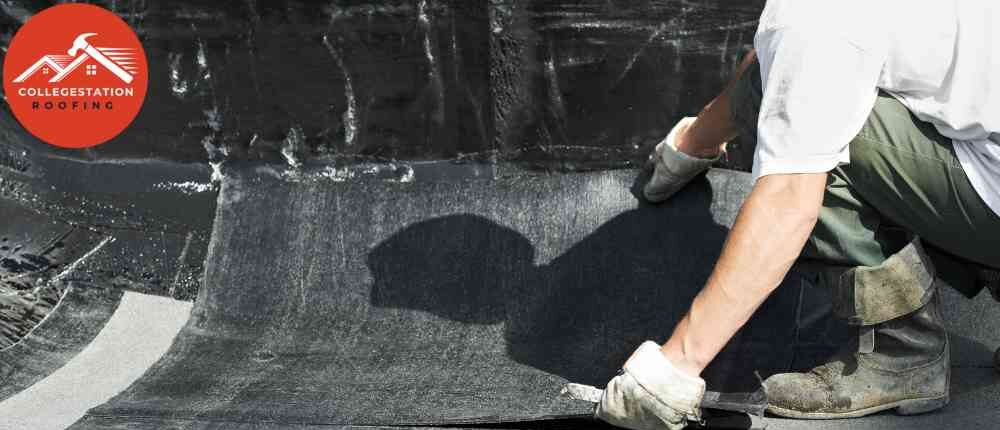
A commercial roof is far more than just a structural lid; it is a critical asset that shields your inventory, technology, and personnel from the unpredictable elements. Because it is constantly exposed to UV radiation, thermal expansion, and fluctuating weather patterns, a roof is often the most vulnerable component of a building’s exterior. Neglecting this vital barrier can lead to a domino effect of structural deterioration, resulting in skyrocketing repair costs and potential operational downtime.
Taking a proactive stance on maintenance isn’t just about fixing leaks; it’s about protecting a significant financial investment. By understanding the specific needs of your roofing system and implementing a rigorous care regimen, you can maximize its service life, ensure tenant satisfaction, and maintain the professional integrity of your property for decades to come.
Selecting the Ideal Roofing System for Your Facility
Choosing the right material from the outset is the foundation of a long-lasting roof. The decision should be driven by your specific climate, the building’s primary use, and your long-term energy goals. High-performance membranes like EPDM offer exceptional durability in varied climates, often lasting up to 40 years, while TPO is favored for its solar reflectance and resistance to chemical exposure, making it ideal for industrial settings.
For those in extreme environments, asphalt-based systems provide robust protection against thermal shock. Metal roofing, while offering a distinct aesthetic, provides unmatched longevity when maintained correctly. Ultimately, the goal is to align the material’s strengths with the environmental stresses it will face daily.
Performance-Driven Single-Ply Membranes
Single-ply options like TPO and PVC are renowned for their resistance to UV rays and chemicals. These systems are lightweight and highly reflective, which can significantly lower cooling costs. Their heat-welded seams provide a consistent waterproof barrier that is essential for modern commercial designs.
Traditional Multi-Layered Asphalt Systems
Built-up roofing and modified bitumen remain industry staples due to their proven track record. These systems utilize multiple layers of bitumen and fabric to create a thick, redundant shield. They are particularly effective in high-traffic areas or climates where physical punctures and heavy weather are frequent concerns.
Critical Maintenance Strategies for Peak Performance
To ensure your roof reaches its full theoretical lifespan, you must transition from a reactive “fix-it-when-it-leaks” mindset to a disciplined preventive strategy. A well-executed maintenance plan is the most cost-effective tool in a building owner’s arsenal.
- Bi-Annual Inspections: Schedule professional walk-throughs in the spring and fall to identify damage caused by winter ice or summer heat.
- Prompt Debris Removal: Clear away leaves, dirt, and biological growth like moss to prevent moisture retention and drainage clogs.
- Gutter and Drain Clearance: Ensure all water pathways are unobstructed to prevent standing water, which can stress the structural load and degrade membranes.
- Vegetation Management: Trim overhanging tree branches to prevent physical impact damage and discourage pests from nesting on the roof.
- Traffic Regulation: Restrict roof access to essential personnel only and utilize designated walkway pads to prevent membrane punctures from foot traffic.
Identifying and Mitigating Environmental Risks
Commercial roofs face a gauntlet of environmental threats, ranging from high-velocity winds to invasive wildlife. Wind damage is particularly insidious; it often starts at the perimeter, lifting flashing and creating gaps that allow water to infiltrate. During severe storms, unsecured items or loose materials can become projectiles, causing catastrophic failure.
Furthermore, biological risks like bird nesting or insect infestations can lead to acidic degradation of the roofing material and clogged ventilation. By conducting thorough inspections immediately following major weather events, you can catch these “invisible” issues such as loose fasteners or hairline cracks in the caulking before they evolve into expensive interior water damage or mold growth.
The Role of Rooftop Equipment in Integrity
It is common for commercial roofs to house heavy HVAC units, exhaust fans, and solar arrays. While necessary, these installations represent potential points of failure if not managed correctly. Every penetration in the roof membrane for ductwork or electrical lines must be perfectly sealed with high-quality flashing.
Furthermore, the vibration from unbalanced fans or heavy motors can gradually loosen attachments and compromise the waterproof envelope. Regular servicing of this equipment is not just a mechanical necessity; it is a roofing necessity. Ensuring that units are properly mounted on curbs and that filters are changed regularly prevents unnecessary strain on both the machinery and the underlying roof structure.
Professional Inspections and Warranty Compliance
Maintaining a valid warranty is essential for long-term financial protection. Most manufacturers require documented proof of regular inspections and immediate reporting of any leaks to keep coverage active.
The Value of Certified Contractors
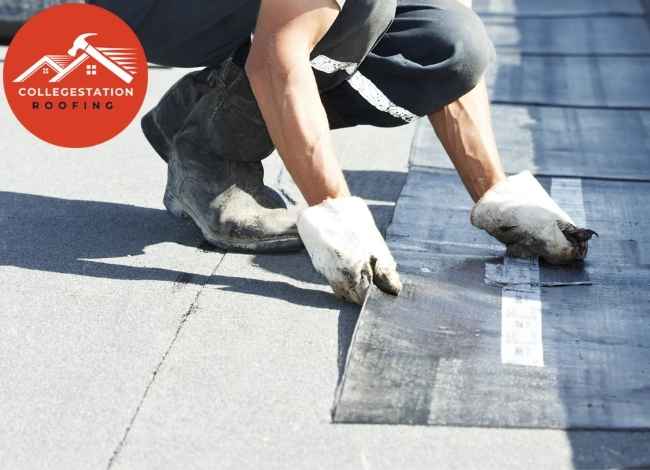
Hiring a licensed and insured roofing professional ensures that inspections are thorough and repairs meet industry standards. These experts have the trained eyes to spot subtle signs of wear, such as “alligatoring” in asphalt or shrinking in single-ply membranes, which an untrained observer might miss.
Comprehensive Documentation
Keep a detailed log of every inspection, repair, and modification made to the roof. This record is invaluable when filing insurance claims or proving warranty compliance during a property sale.
Interior Signs of Potential Roofing Failure
While most roof care happens outdoors, the interior of your building often provides the first warnings of trouble. Vigilance inside the facility can prevent a minor leak from becoming a major structural disaster.
- Ceiling Stains and Discoloration: Dark spots or “rings” on ceiling tiles are clear indicators of water infiltration.
- Wall Cracks and Warping: Unusual shifts in wall surfaces or windows that suddenly stick can signal moisture-related structural changes.
- Persistent Odors: Musty smells often point to mold growth hidden within the insulation or wall cavities.
Key Indicators for Commercial Roof Evaluation
Regularly assessing these specific components during your walk-throughs will help you stay ahead of the aging process and ensure the building remains watertight.
| Component | What to Look For | Action Required |
| Metal Flashing | Rust, peeling paint, or gaps larger than 1.5 inches. | Re-seal, paint, or replace damaged sections. |
| Roof Drains | Standing water (ponding) or accumulated silt/trash. | Clear blockages and check for proper slope. |
| Surface Membrane | Punctures, cracks, or loose fasteners/seams. | Patch immediately using manufacturer-approved kits. |
| Rooftop Units | Loose panels, vibrating fans, or clogged condensation lines. | Secure all housing and clear drainage lines. |
FAQs
How often should a commercial roof be professionally inspected?
It is highly recommended to have a professional inspection at least twice a year, typically in the spring and fall, as well as after any major weather event like a hurricane or heavy hailstorm.
What are the primary benefits of reflective roofing materials?
- Significant reduction in building cooling costs during summer months.
- Decreased thermal expansion and contraction, which extends the life of the membrane.
- Mitigation of the “urban heat island” effect in densely populated areas.
Why is standing water a problem on a flat roof?
Standing water, or ponding, adds immense weight to the structure and can lead to the rapid deterioration of the roofing material. If water remains for more than 48 hours, it increases the risk of leaks and biological growth.
What should be included in a roof maintenance log?
- Dates of all inspections and the name of the contractor.
- Detailed descriptions of any repairs performed and materials used.
- Photographs of the roof condition before and after maintenance.
- A copy of the original installation warranty and contact info.
Final Thoughts
A commercial roof is a high-stakes investment that demands a disciplined, proactive approach to management. By selecting high-quality materials tailored to your specific environment and adhering to a strict schedule of inspections and cleaning, you can effectively double the lifespan of your roofing system.
Remember that the cost of routine maintenance is a fraction of the expense required for a premature total replacement or the loss of business continuity caused by a major leak. Treating your roof as a dynamic asset rather than a “set and forget” feature ensures your building remains safe, efficient, and professional. Stay vigilant, document every action, and partner with qualified professionals to keep your facility protected from the top down for years to come.